
Unlock the Power of Deep Breathing for Wellness: Discover the Benefits of Deep Breathing
In the quiet moments between the rush of daily life, there lies a simple, profound tool that we all carry with us—our breath. When I pause and take a deep breath, I feel a gentle wave of calm wash over me, like a soft breeze on a warm Brisbane morning. Deep breathing is more than just a way to fill your lungs; it is a gateway to wellness, a bridge to inner peace, and a key to unlocking your body’s natural healing powers. Today, I invite you to journey with me into the world of deep breathing and explore how it can transform your wellbeing.
The Benefits of Deep Breathing: A Breath of Fresh Air for Your Body and Mind
Deep breathing is a practice as old as time, yet its benefits are timeless and ever-relevant. When you breathe deeply, you invite oxygen to flood your body, nourishing every cell and igniting a sense of vitality. This simple act can:
Reduce stress and anxiety by calming the nervous system.
Lower blood pressure and improve heart rate variability.
Enhance mental clarity and focus, helping you feel more grounded.
Boost your immune system by increasing oxygen flow and circulation.
Promote better sleep by relaxing your body and mind before rest.
Imagine your breath as a gentle tide, ebbing and flowing, carrying away tension and bringing in peace. When you breathe deeply, you are not just inhaling air—you are inviting wellness into every corner of your being.

How to Practice Deep Breathing: Simple Steps to Start Today
Starting a deep breathing practice is like planting a seed of calm in your daily routine. You don’t need special equipment or a quiet room—just your breath and a few moments of your time. Here’s how I guide myself and others through this gentle practice:
Find a comfortable position - Sit or lie down with your back straight but relaxed.
Close your eyes if you feel comfortable, and bring your attention to your breath.
Inhale slowly through your nose for a count of four, feeling your belly rise like a soft balloon.
Hold your breath gently for a count of four, savoring the fullness.
Exhale slowly through your mouth for a count of six, releasing tension like a soft sigh.
Repeat this cycle for five to ten minutes, allowing your breath to deepen naturally.
As you practice, notice how your body softens, your mind quiets, and a gentle rhythm emerges. This rhythm is your breath’s song—a melody of wellness that you can carry with you throughout the day.
The Science Behind Deep Breathing: Why It Works
Deep breathing is not just a feel-good practice; it is backed by science that reveals how profoundly it affects our body and mind. When you breathe deeply, you activate the parasympathetic nervous system, often called the "rest and digest" system. This activation helps to:
Slow your heart rate, creating a sense of calm.
Reduce the production of stress hormones like cortisol.
Increase oxygen delivery to your brain, enhancing cognitive function.
Stimulate the vagus nerve, which plays a key role in emotional regulation.
Studies show that regular deep breathing can improve symptoms of anxiety, depression, and even chronic pain. It’s a natural, accessible way to support your body’s healing processes and cultivate resilience.
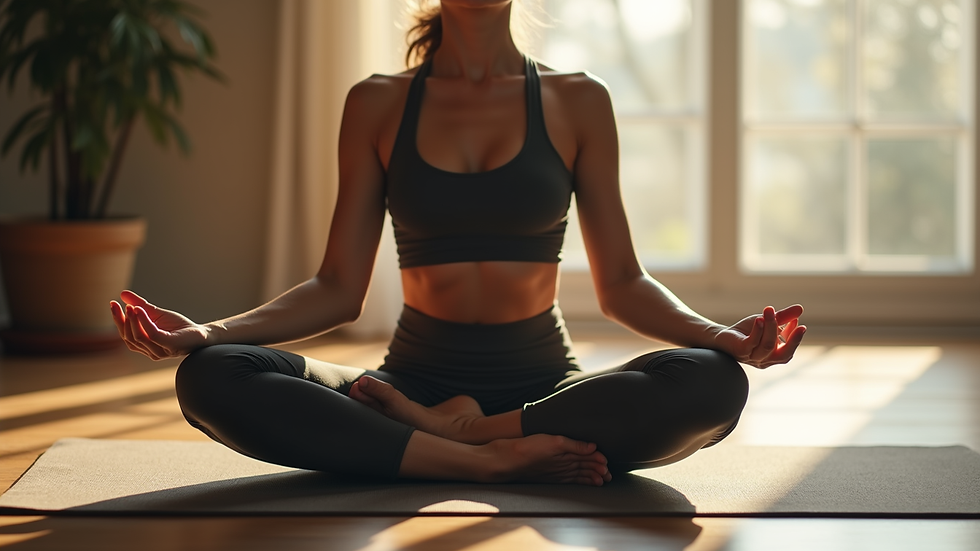
Integrating Deep Breathing into Your Daily Life: Practical Tips
Incorporating deep breathing into your day can be as natural as the breath itself. Here are some gentle ways to weave this practice into your routine:
Morning ritual: Begin your day with five minutes of deep breathing to set a calm, focused tone.
Work breaks: Pause every hour to take three deep breaths, helping to reset your mind and reduce tension.
Before meals: Breathe deeply to aid digestion and bring mindfulness to your eating.
Stressful moments: Use deep breathing as a quick tool to ground yourself during challenging situations.
Evening wind-down: Practice deep breathing before bed to ease into restful sleep.
Remember, the power of deep breathing lies in its simplicity and consistency. Even a few mindful breaths can shift your energy and bring you back to the present moment.
Embracing Breathwork for Personal Growth and Wellness
Deep breathing is more than a technique—it is a path to self-discovery and empowerment. When I explore breathwork, I find a deeper connection to my body and emotions. It helps me release what no longer serves me and invites clarity and strength.
If you are curious to learn more or want to deepen your practice, I encourage you to explore resources like the breathe deeply blog where you can find guided exercises, tips, and inspiration tailored to your wellness journey.
By embracing the power of your breath, you open the door to a more vibrant, balanced life. Whether you are seeking calm in a busy world or a deeper connection to yourself, deep breathing offers a gentle, accessible way forward.
As you continue on your path, may each breath be a reminder of your inner strength and the endless well of wellness within you. Let your breath be your anchor, your guide, and your sanctuary.


Comments